
Why Luxury Apartments in Sector 53 Gurgaon Are in Demand Right Now
Demand for luxury apartments in Sector 53 Gurgaon is not a marketing claim. It shows up in the price series, and the shape of that series tells you something specific about what buyers are responding to.
The Numbers Behind the Demand
Indicator | Sector 53 Gurgaon |
|---|---|
Average apartment rate | About ₹26,300 to ₹26,450 per sq ft |
Typical listing band | About ₹26,750 to ₹33,400 per sq ft for flats |
Wider Gurgaon average | About ₹14,900 per sq ft, which puts Sector 53 near 1.8 times the city |
Movement over 1 year | About 20.8 percent |
Movement over 3 years | About 93.8 percent |
Movement over 5 years | About 135.1 percent |
Movement over 10 years | About 111.6 percent |
Average gross rental yield | About 2 percent |
Monthly rental band | Roughly ₹63,700 to ₹2.1 lakh depending on size and society |
Average rental rate | About ₹44 per sq ft per month |
Rates are indicative and drawn from live listing data, which reflects asking prices rather than registered transaction values. Confirm any figure against a current cost sheet or a registered deed before you rely on it.
Look at the 3 year and 5 year rows together and the demand story becomes clear. This sector nearly doubled in three years and more than doubled in five. That is not speculative churn in an emerging corridor. It is repricing of an address that was already established, which happens when supply tightens against buyers who are not price sensitive.
What Is Actually Driving It
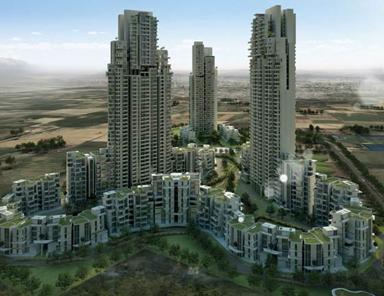
- Land scarcity on the corridor. Golf Course Road was built out through the 1990s and 2000s. Large new parcels almost never come to market here, so any genuinely new project in Sector 53 competes with a fixed pool of existing towers rather than an expanding one.
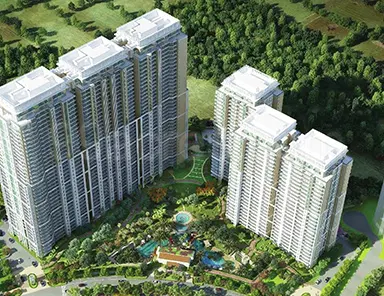
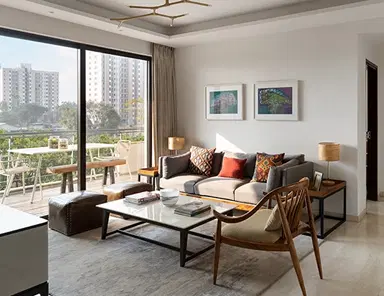
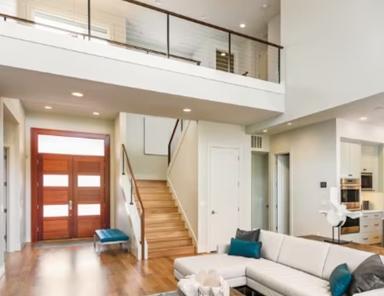
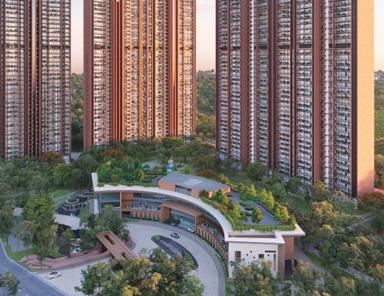
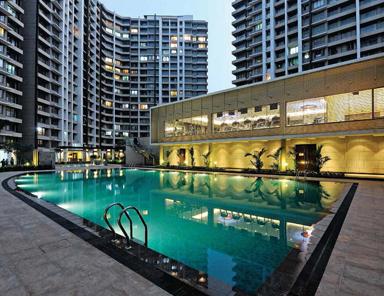
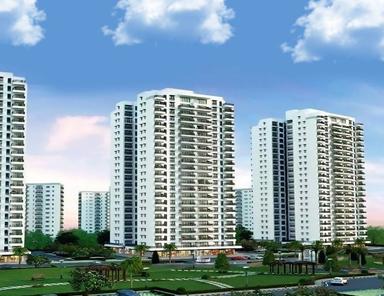
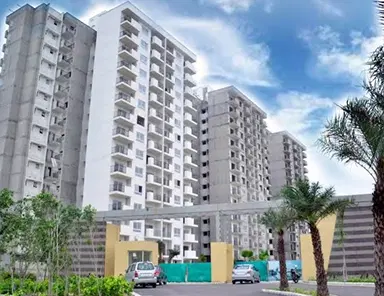
- A shift from mid segment to large format. Buyers who once wanted a 1,600 sq ft three bedroom are asking for 2,700 to 3,900 sq ft with a utility and a study. Sector 53 inventory is built at those sizes, so it captures that demand directly.
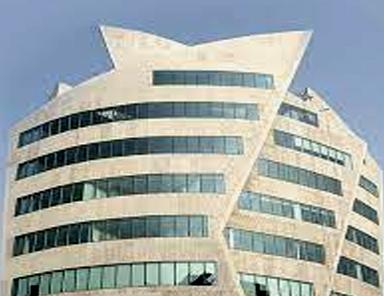
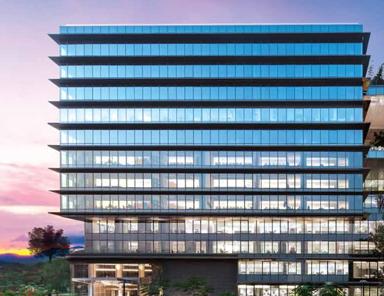
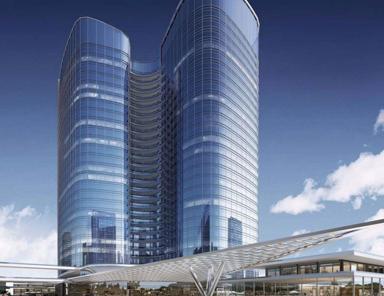
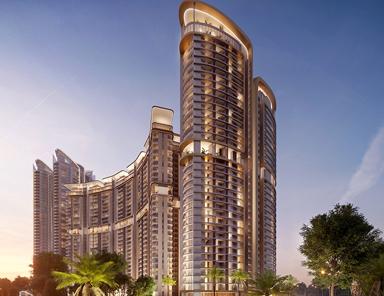
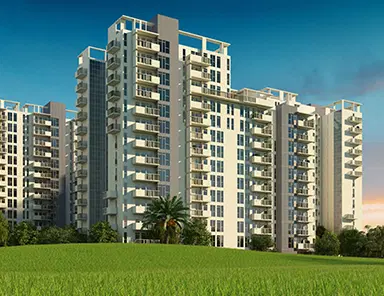
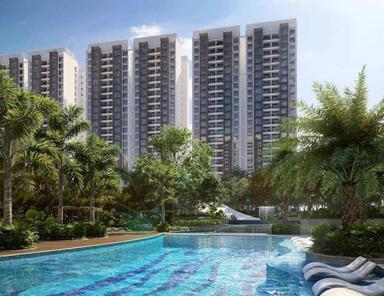
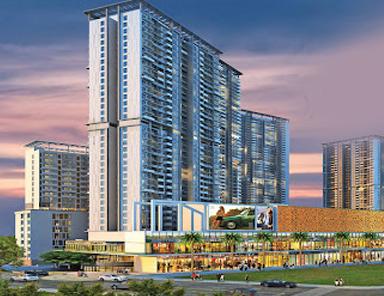
- Branded and design led product arriving. The sector now carries internationally designed and architecturally distinct towers rather than only conventional builder product, which pulls a buyer who previously looked outside Gurugram entirely.
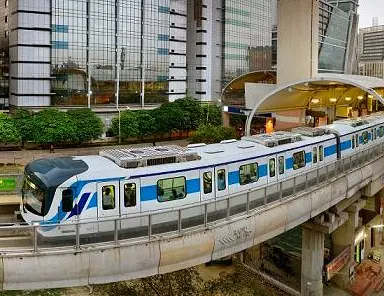
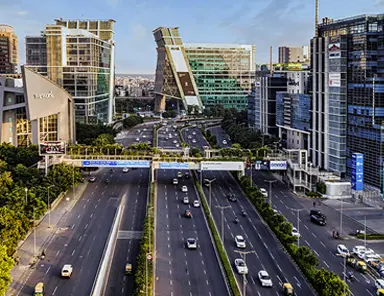
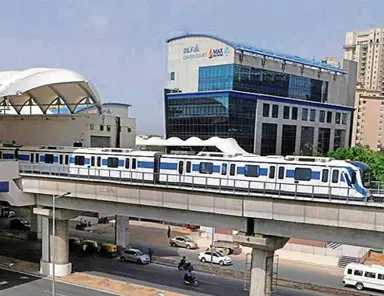
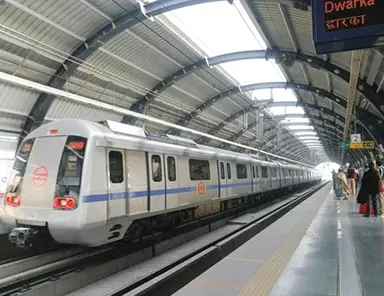
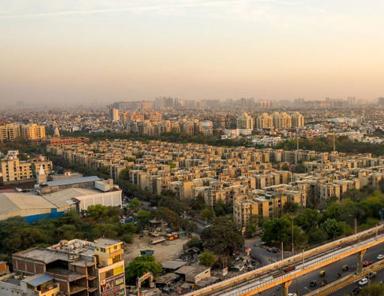
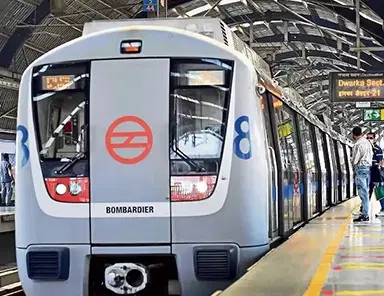
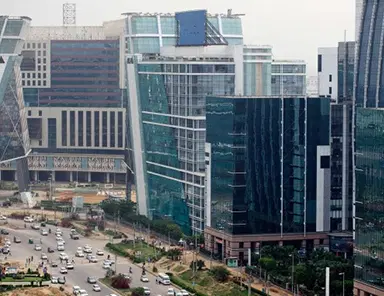
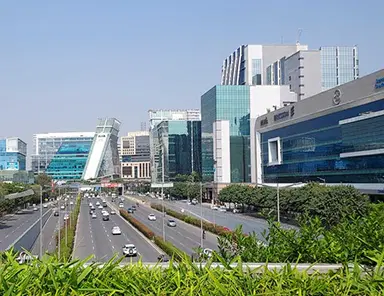
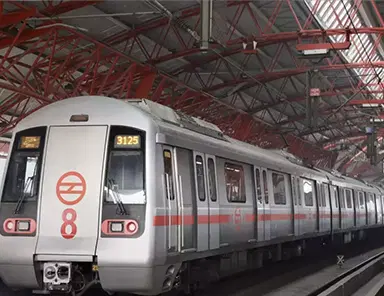
- Delivered infrastructure rather than promised infrastructure. Metro, schools, hospitals, malls and offices around Sector 53 exist today. Buyers are paying a premium to avoid the execution risk that comes with newer corridors.
- End user weight rather than pure investment. The rental yield here is around 2 percent, which is too thin to attract yield chasing money. The buyers are largely people who intend to live in the home, and that makes the demand more stable than an investor led market.
What this means for you: demand in Sector 53 is driven by scarcity and end user preference, not by leverage or rental returns. That is a healthier base than a speculative market, but it also means you should not expect a bargain. Nobody here is a distressed seller.

























































































































































































































.webp&w=750&q=75)